
Parisian hotels range from threadbare budget rooms near Gare du Nord to palatial suites on the Place Vendôme, and the gap in amenities between them is enormous. Knowing which features are worth paying for — and which ones look impressive on a listing but rarely get used — can save you real money and prevent genuine disappointment.
Wi-Fi, Air Conditioning, and the Basics Paris Hotels Still Get Wrong
Paris has a reputation for lagging behind on basic comfort features, and it's partially deserved. Many historic buildings — particularly those in Haussmann-era structures on the Left Bank — lack central air conditioning, relying instead on portable units or nothing at all. If you're visiting between June and September, always confirm that the room has actual AC, not just a fan. Wi-Fi quality varies wildly too: boutique hotels in the Marais often run on consumer-grade routers that struggle beyond the lobby, while larger chain properties like Marriott and Hilton affiliates invest in proper bandwidth infrastructure. Elevator access is another issue that rarely makes it into marketing copy — a charming 18th-century building on Île Saint-Louis might have four flights of stairs and no lift. If you have luggage, mobility concerns, or simply don't want to haul bags up a spiral staircase at midnight, filter for this explicitly when comparing options.
Breakfast Inclusions: When the Price Premium Actually Makes Sense
Parisian hotel breakfast can be one of the most overpriced add-ons in hospitality, or one of its best values — depending on the hotel. A continental breakfast at a three-star property near the Louvre might cost €22 per person and amount to a croissant, orange juice, and instant coffee. But a four-star hotel in Saint-Germain-des-Prés might offer the same price point with a full cold buffet, fresh-pressed juice, cooked eggs, and specialty coffee. The math shifts when you consider that a decent café breakfast in central Paris — pain au chocolat, coffee, juice — costs €12–16 per person anyway. Where included breakfast genuinely pays off: family rooms with children, business travelers with early morning schedules, and stays in outer arrondissements where good cafés are a 15-minute walk. Always check whether breakfast is included or optional before comparing nightly rates, since it's the most common way Parisian hotels obscure true cost differences.
Room Size and Layout: What the Square Footage Actually Means in Paris
Parisian hotel rooms are small by North American and Northern European standards. A 'standard double' at a three-star Montmartre hotel might be 14–16 square meters — barely enough for a bed, a small desk, and a narrow wardrobe. Superior and deluxe categories typically start at 20–22 square meters, which is where comfort begins to look like comfort. The difference between a standard and superior room at the same property often comes down to one thing: whether you can open your suitcase on the floor without climbing over it. Suites in Paris are genuinely spacious, usually 40–60 square meters, and in boutique properties they often include original architectural details — exposed beams, carved fireplaces, or floor-to-ceiling windows overlooking a courtyard. When booking for two people staying more than three nights, the upgrade to a superior room is almost always worth the €20–40 per night premium. For short stays, the standard room is fine — you're in Paris, not the hotel.
Spa, Pool, and Fitness Facilities: Separating Prestige from Practicality
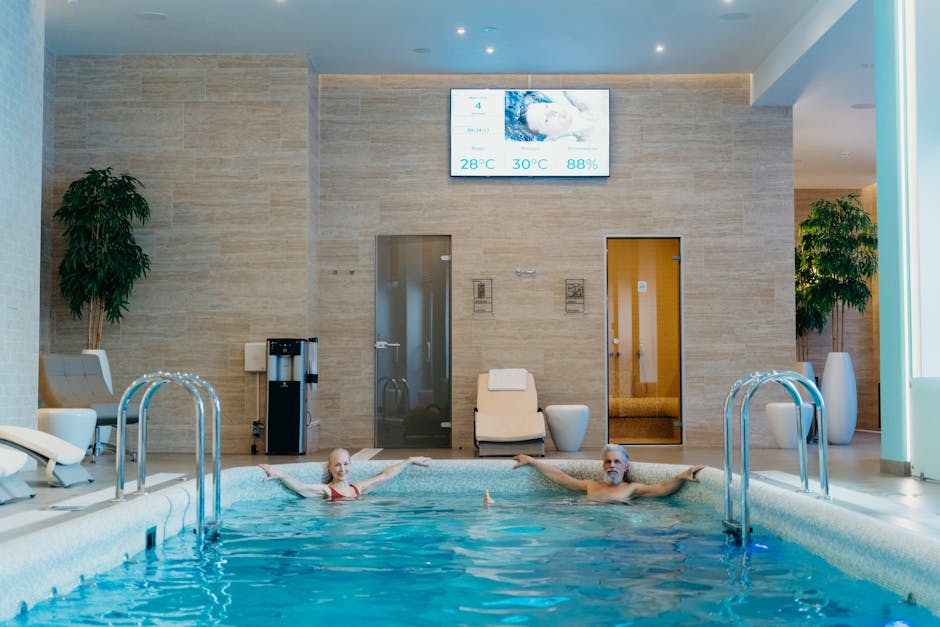
Very few Paris hotels have full-size swimming pools — it's a city of tight footprints and expensive real estate. Those that do, like the Molitor or the Shangri-La, treat the pool as a premium feature with corresponding prices. Fitness centers are more common but span an absurd range: some 'gyms' at four-star properties are a single treadmill and a set of dumbbells in a windowless basement room. Genuine spa facilities — treatment rooms, steam baths, hammams — are concentrated in palace-category hotels and a handful of serious wellness properties. If fitness access is important to your trip, check the photos carefully rather than trusting the amenity icon. The better mid-range option for spa access in Paris is often to book a spa day separately at a dedicated facility like the Bains du Marais or Aquabella rather than paying a premium for hotel spa access you might use once.
Views, Terraces, and Location-Specific Features Worth Paying For
In Paris, the view from your room can be the amenity. A room facing the Eiffel Tower from a Trocadéro-area hotel is a fundamentally different experience from the same room facing an interior courtyard — even if every other feature is identical. Hotels near the Seine, particularly on the Right Bank between the 1st and 8th arrondissements, often charge a 20–35% premium for river-facing rooms, and for stays of more than two nights, that premium is usually justified. Rooftop terraces are increasingly common in mid-range Paris hotels and represent genuinely good value — you're effectively getting a private outdoor space in a city where outdoor space is rare and expensive. Properties like the Hotel Providence or the Grand Pigalle have made their terraces a central selling point, not an afterthought. When comparing hotels, check whether terrace access is open to all guests or reserved for specific room categories.
Concierge Services and Local Knowledge: The Underrated Differentiator
A good hotel concierge in Paris is worth more than most guests realize. They can get you into fully booked restaurants, arrange skip-the-line access at the Musée d'Orsay or Versailles, organize airport transfers that actually show up, and give you honest neighborhood advice. This level of service exists reliably at four-star and palace properties, where concierges are often members of Les Clefs d'Or — an international association of senior concierges with deep professional networks. Budget and three-star hotels typically have a front desk that can print you a map and maybe call a taxi. The practical takeaway: if your Paris trip involves high-demand restaurants, limited-edition experiences, or complex logistics, factor concierge capability into your hotel choice. If you're traveling independently with no fixed plans, you probably don't need it and can save the money elsewhere.
Paris rewards travelers who book deliberately — the city's hotel market is large enough that the right property at the right price point exists for almost every trip type, but only if you know which amenities to prioritize before you start comparing rates.